Packaging advantages of cartons and tin cans in international trade
What are the advantages of carton and tin can packaging? Cartons are light, low-cost, protective and recyclable — ideal for shipping and everyday products. Tin cans are durable, airtight and reusable, giving a premium feel for gifts and dry goods. Together they cover most packaging needs.
Cartons and tins are two of the most trusted packaging formats in trade and retail. This guide explains the advantages of each, where they fit — from e-commerce shipping boxes to premium tins — and how to choose, building on our paper box vs tin can comparison.
Cartons and tin cans, briefly
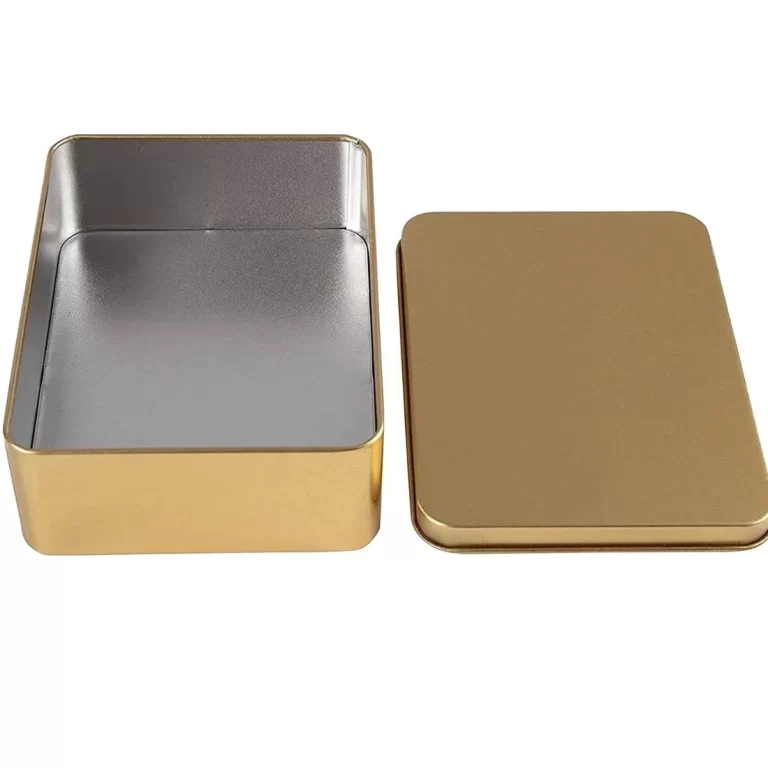
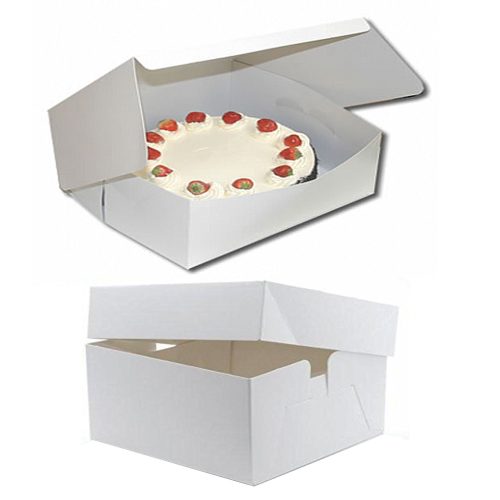
A carton is a folding box made from paperboard or corrugated board — light, printable and flat-packing. A tin can is a rigid metal container — durable, airtight and reusable. Both are recyclable and both scale from small retail packs to bulk shipping and moving boxes.
Advantages of carton packaging
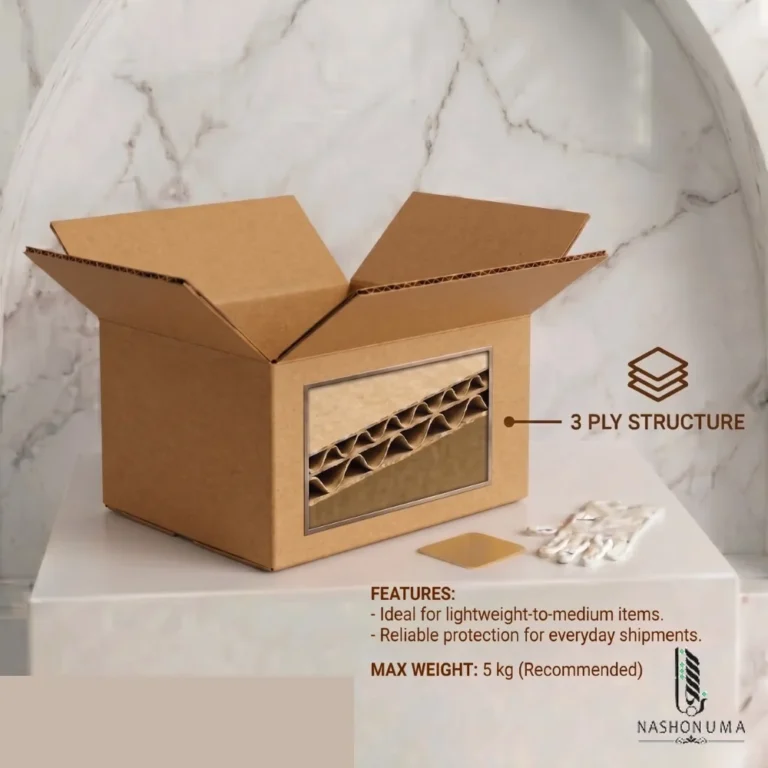
Cartons win on cost and flexibility. They’re inexpensive per unit, pack flat to cut storage and shipping costs, and print edge-to-edge for strong branding. Corrugated e-commerce boxes protect products through the courier network, while kraft cartons suit food and retail. They’re also recyclable and made from renewable fibre — a genuine eco advantage.
Advantages of tin can packaging
Tins bring durability and prestige. They shield contents from crushing, moisture and light, keep dry goods fresh for longer, and are reusable — customers keep them, which quietly extends your brand’s reach. That premium feel is why tins are a default for gift sets and higher-value dry goods.

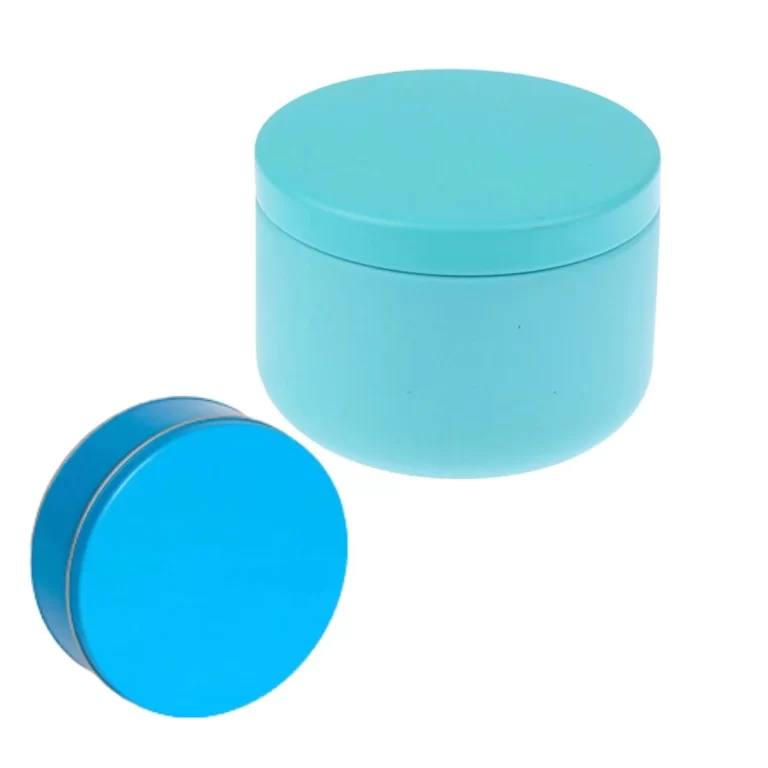
Cartons vs tin cans at a glance
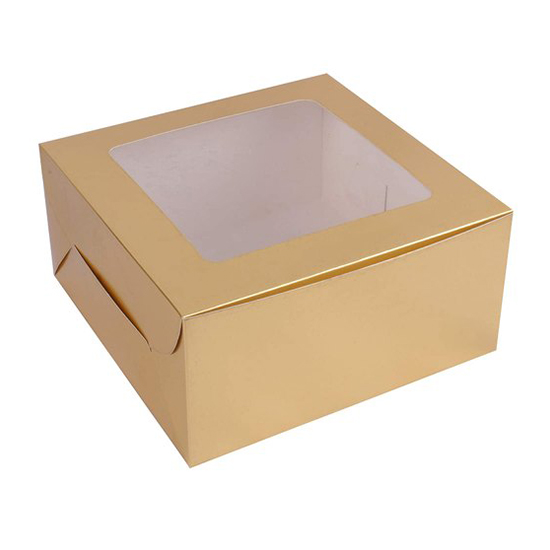
Each format leads on different strengths. This table shows where each one wins so you can match it to your product:
| Feature | Cartons | Tin cans |
|---|---|---|
| Cost per unit | Lower | Higher |
| Weight & shipping | Light, packs flat | Heavier |
| Protection | Good | Excellent (airtight) |
| Reusable | Sometimes | Yes |
| Print & finish | Edge-to-edge, low cost | Premium, pricier |
| Best for | Shipping, food, everyday retail | Gifts, dry goods, premium |
Cartons for e-commerce & shipping
For online orders, corrugated cartons are the workhorse. They absorb knocks in transit, stack efficiently, and can be sized to the product to cut void fill and dimensional shipping costs. Our e-commerce box range covers common weights, and shipping & moving boxes handle larger loads.
When to use which
Use cartons for shipping, food, and everyday retail where cost, print and eco matter. Use tins for gifts, premium dry goods and anything that benefits from airtight protection or a reusable second life. Many ranges use both — a printed carton for the everyday SKU and a tin for the giftable hero. See our paper vs tin guide to weigh a specific product.
Sustainability & wholesale
Both formats are recyclable; cartons are lighter to ship, tins are reusable. Wholesale pricing drops with volume on both, and custom printing (from ~100 units) turns either into brand real estate. Stock items ship in 1–2 days, custom in ~7–10, nationwide with Cash on Delivery.
Cartons & tins in trade and retail
In trade, packaging has to survive handling, stacking and long journeys while keeping goods sellable at the other end. Corrugated cartons are the backbone here — they’re standardised, stack on pallets, and protect goods through multiple touchpoints, which is why e-commerce and shipping cartons dominate distribution. Tins add value where products are sold as premium or giftable, holding their shape and shielding contents through the same journey.
The smartest ranges use both in layers: bulk goods travel in corrugated shipping boxes, individual products sit in printed kraft cartons, and hero SKUs get a tin for shelf appeal. Matching the format to each stage keeps damage low and presentation high without overspending.
Cost & sustainability trade-offs
Cartons cost less per unit, weigh less to ship and pack flat, so they’re the efficient default — and they’re recyclable from renewable fibre. Tins cost more and weigh more, but they’re reusable and highly protective, which can justify the spend for the right product. On sustainability, cartons usually win on shipping footprint while tins win on reuse; choose based on whether your customer is more likely to recycle a box or keep a tin.
Types of cartons
“Carton” covers a family of formats. Folding cartons (thin paperboard) suit retail packaging — cereal-box style boxes that print beautifully and fold flat. Corrugated cartons (fluted board) are the tougher shipping workhorses behind e-commerce boxes and moving boxes, built to protect goods through the courier network. Kraft cartons sit in the middle — sturdy, food-safe and natural-looking. Choosing the right one is mostly about how far the product travels and how much protection it needs on the way.
Types of tin cans
Tins vary just as much. Slip-lid and rounded tins suit tea, coffee, spices and dry fruit; hinged and window tins work for confectionery and gifts; and larger straight-wall tins hold bulkier dry goods. The common thread is protection and reuse — a tin keeps contents fresh and gets kept by the customer, which quietly extends your brand’s life on their shelf long after the product is gone.
Protecting products in transit
Damage in transit is pure lost margin — you pay to make, pack and ship a product, then refund it. Right-sized corrugated cartons are the first defence: size the box to the product to cut movement and void fill, and the goods arrive intact. For fragile or premium items, a tin inside a carton gives belt-and-braces protection. Our e-commerce box range covers common weights so you can match the carton to the parcel.
Printing & branding on cartons and tins
Both formats are brand real estate. Cartons take full-colour print across every face cheaply, so they’re ideal for bold retail graphics and unboxing moments. Tins print well too and feel premium, though rich finishes cost more. Custom printing on either starts from around 100 units, and a branded outer — even a simple logo and colour — turns a plain shipment into a memorable delivery that customers photograph and remember.
Cartons and tins for gifting
Gifting is where both formats really shine, and using them together is a proven pattern. A printed carton makes an attractive outer that presents well and protects in transit; a tin inside adds a premium, reusable core the recipient keeps. For corporate gifts and seasonal hampers, that combination looks considered without costing a fortune, and the reusable tin quietly carries your brand into the recipient’s home. Even a simple printed sleeve around a plain kraft box can turn an everyday product into something that feels like a gift.
Ordering cartons and tins in bulk
Both formats get cheaper per unit as volumes rise, so consolidating your carton and tin needs into planned orders lowers cost and admin. Standardise on a small set of sizes, keep a little safety stock so a big order never stalls on packaging, and set up a standing quote for the lines you reorder. Ready-made e-commerce cartons and tins ship in 1–2 working days; custom-printed runs take about 7–10 days after approval, delivered nationwide with Cash on Delivery. Tell us your products and monthly volumes and we’ll build the quote.
Wholesale cartons and tins, delivered nationwide
From a single printed run to a standing bulk order, Nashonuma supplies cartons, e-commerce boxes and tins at wholesale prices with nationwide delivery. We reach the big cities and the smaller towns and remote areas that don’t have a local packaging supplier, so businesses anywhere in Pakistan can get professional packaging without the distance or the markup. Cash on Delivery is available across the country, and we can build a standing quote around the sizes and volumes you reorder most. That combination of choice, in-house printing and dependable reach is why growing brands consolidate their carton and tin supply with us rather than chasing several local suppliers — one quote, one delivery, and one predictable cost per unit across everything they pack and ship. Whether you move ten parcels a week or ten thousand, we can scale the supply with you and keep the packaging consistent as the business grows — packaging that keeps pace with you rather than holding you back.
Get a quote or order today
Tell us the size, quantity and whether you need printing — we’ll send wholesale pricing and delivery time.
Frequently asked questions
What are the advantages of carton packaging?
Cartons are light, low-cost, protective and print beautifully. They pack flat to save space, protect products in shipping, and are recyclable and eco-friendly.
Why use tin can packaging?
Tins are durable, airtight and reusable, keep contents fresh, and give a premium feel that customers associate with quality gifts and dry goods.
Are cartons good for e-commerce shipping?
Yes — corrugated cartons and e-commerce boxes protect products in transit and are the standard choice for online orders.
Which is more eco-friendly?
Both are recyclable. Cartons are lighter with a smaller shipping footprint; tins are reusable, which extends their life.
Do you supply cartons and tins in Pakistan?
Yes — we stock e-commerce boxes, kraft cartons and tin packaging, plain or printed, with wholesale pricing and nationwide delivery.
What is the minimum order?
Ready-made stock has no minimum; custom-printed runs start at around 100 units.