Paper box packaging vs Tin can packaging
Paper box vs tin can packaging? Paper boxes are cheaper, lighter, greener and print edge-to-edge; tin cans are more durable, reusable and premium. Choose paper for everyday and eco lines, tin for gifts and products that need protection or shelf life — and many brands use both.
Packaging is a trade-off between cost, protection, presentation and sustainability. This guide compares paper box packaging and tin can packaging across each, so you can pick the right one for your product — and it pairs with our overview of the advantages of cartons and tin cans.
Paper box packaging
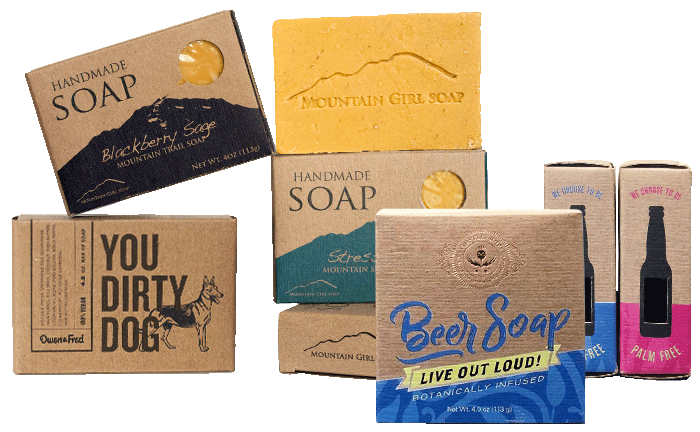
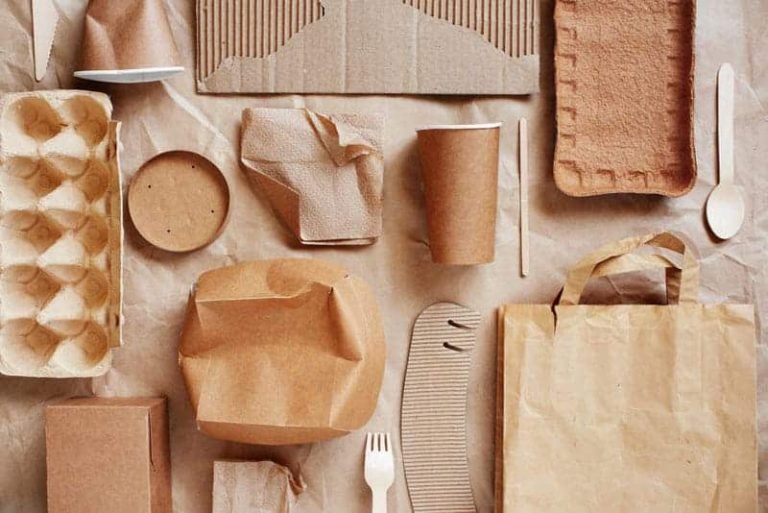
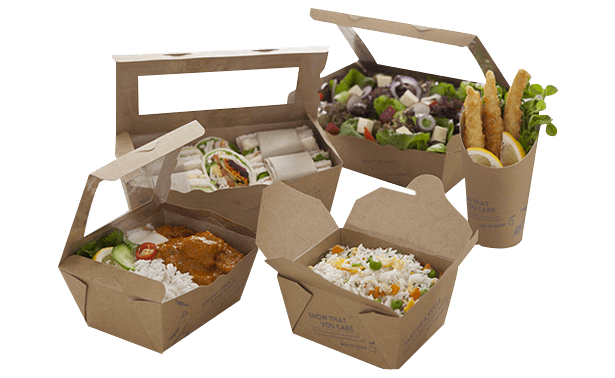
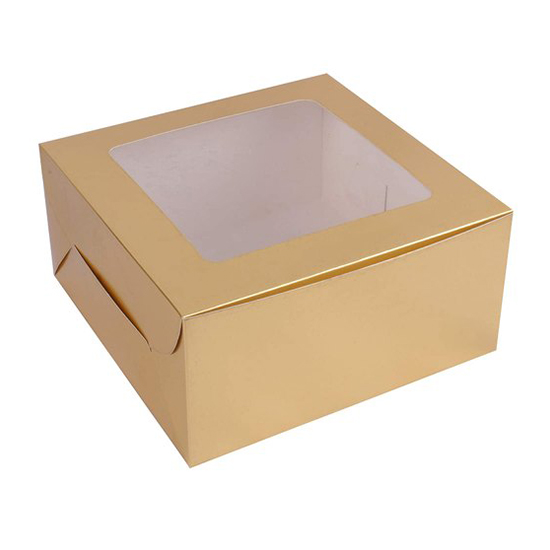
Paper and kraft boxes are the most flexible, affordable option. They pack flat to save storage and shipping, print in full colour across every face, and are recyclable and biodegradable — a strong fit for food, bakery and eco-positioned brands. The trade-off is protection: paper resists grease and light knocks well, but it isn’t airtight or as rugged as metal.
Tin can packaging
Tin packaging feels premium and lasts. It protects contents from crushing, light and air, keeps dry goods fresher for longer, and is reusable — customers keep tins, which extends your brand’s life on their shelf. The trade-offs are a higher unit cost, more weight to ship, and print finishes that can cost more than paper.
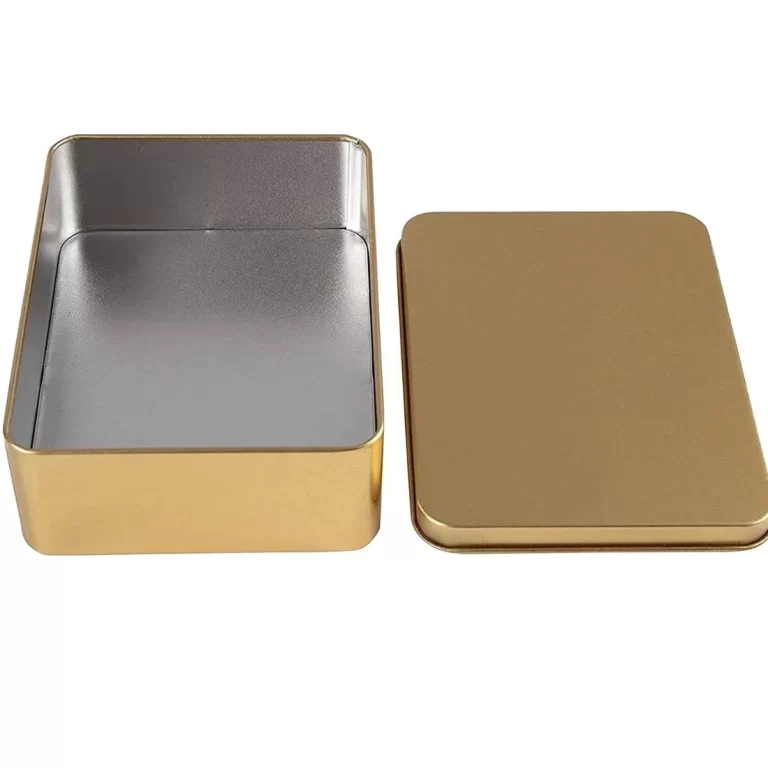
Paper vs tin: side by side
| Factor | Paper box | Tin can |
|---|---|---|
| Cost per unit | Lower | Higher |
| Shipping weight | Light, packs flat | Heavier |
| Durability | Good | Excellent |
| Reusable | Sometimes | Yes |
| Eco / recyclable | High | High (but heavier) |
| Print & finish | Edge-to-edge, easy | Premium, pricier |
| Best for | Food, bakery, everyday, eco | Gifts, dry goods, premium retail |
Cost & shipping
For volume and value, paper wins: lower unit cost, flat-pack storage and lighter courier charges. If you ship a lot, those savings compound. Tin earns its higher cost where the product justifies it — gifting, premium retail, or anything that needs airtight protection. Our wider food packaging guide shows where each fits across a menu or range.
Sustainability
Both are recyclable. Paper and kraft are lighter and often made from renewable, biodegradable fibre, so their shipping footprint is smaller. Tin is highly recyclable and reusable, which offsets its weight if customers keep and refill it. For most eco-positioned everyday products, paper is the cleaner default.
Which should you choose?
Choose paper for food, bakery, takeaway and value lines where cost, print and eco matter most. Choose tin for gifts, premium dry goods and products that need protection or a second life. Plenty of brands run both — paper for the everyday range and tin for a giftable hero. Browse kraft boxes and tin boxes, or ask us to quote both so you can compare.
Use cases: which product suits which
Food and bakery almost always want paper: kraft boxes, cake boxes and bags are cheap, printable and food-safe, and nobody expects a tin for a takeaway. Dry goods with shelf life — tea, coffee, spices, dry fruit, candles — are where tins shine, because the airtight seal and reusability genuinely add value. Cosmetics and premium gifts often use tin for the hero SKU and paper cartons for the rest of the range.
Can you combine paper and tin?
Absolutely — and many strong brands do. A common pattern is a printed paper carton as the outer pack with a tin inside for protection and reuse, or a paper range for everyday products and a tin edition for gifting seasons. It gives you the cost efficiency of paper where it doesn’t matter and the premium feel of tin where it does. Browse our packaging boxes and tin, gift & acrylic ranges to mix and match, and see the carton and tin advantages guide for more.
Durability in detail
Durability is where tin pulls ahead. A tin shrugs off crushing, keeps moisture and light out, and protects contents through rough handling — ideal for anything fragile, perishable or premium. Paper and kraft boxes are tougher than people expect and handle grease and everyday knocks well, but they aren’t airtight and won’t survive being sat on. The honest rule: if the product needs a barrier or has real shelf-life value, tin earns its cost; if it’s eaten or used quickly, paper is plenty.
Branding & shelf appeal
Both formats brand well, but differently. Paper cartons print edge-to-edge in full colour cheaply, so they’re unbeatable for bold, graphic packaging and frequent design changes. Tins feel premium in the hand and photograph beautifully, which is why they dominate gifting — but rich print finishes on metal cost more. If your brand lives on colour and variety, lean paper; if it trades on a premium, keepsake feel, tin does heavy lifting a carton can’t.
Storage & logistics
Paper wins the warehouse. Cartons arrive and store flat, assemble as needed, and weigh little, so they cost less to hold and to ship. Tins arrive pre-formed, take up space empty, and add weight to every parcel. If you ship a lot or store in a small space, those differences add up fast — one more reason paper is the efficient default for volume, and tin the considered choice for the products that justify it. Our cartons and tin cans guide goes deeper on the trade side.
The verdict by product type
Food, bakery and takeaway: paper, every time — cheap, printable, food-safe, and nobody expects a tin. Tea, coffee, spices and dry fruit: tin, for the airtight seal and reuse. Candles, cosmetics and gifts: often tin for the hero and paper for the range. Retail with fast design cycles: paper. When you’ve decided, browse kraft boxes and tins, or ask us to quote both so you can hold the difference in your hands before committing.
Total cost, not just unit price
It’s tempting to compare paper and tin on the sticker price alone, but the real number is total cost. Paper’s low unit price is only half the story — it also packs flat, weighs little and ships cheaply, so the all-in cost stays low across a big order. Tin’s higher unit price comes with more weight and volume to store and ship, which widens the gap on large runs. The flip side is longevity: a tin that a customer reuses keeps working for your brand long after a paper box has been recycled, which is real value that never shows up on an invoice.
What customers actually prefer
It depends what they’re buying. For food and everyday items, customers barely notice the box as long as it protects the order — so paying more for tin there is wasted money. For gifts, premium dry goods and anything they’ll keep on a shelf, a tin genuinely raises how much they feel the product is worth, and many customers keep and reuse it. Read the room: match the format to the moment of purchase, and you’ll spend on presentation exactly where it changes the sale and save everywhere it doesn’t.
Both available from Nashonuma, nationwide
Whichever way your comparison lands, you can order it in one place. Nashonuma stocks kraft and paper boxes and tin packaging, plain or custom-printed, at wholesale prices — and we deliver nationwide, including to smaller towns and remote areas that struggle to source good packaging locally, with Cash on Delivery. If you’re still unsure, ask us to quote both options for your product and quantity so you can weigh the real numbers before you commit. Either way you get wholesale pricing, custom printing and the same reliable nationwide delivery, so the only real decision left is which format best fits your product, your margins and the impression you want to make. Tell us the product and the quantity and we’ll help you choose with confidence rather than guesswork, and quote both so the comparison is real.
Get a quote or order today
Tell us the size, quantity and whether you need printing — we’ll send wholesale pricing and delivery time.
Frequently asked questions
Paper box or tin can — which is better?
It depends on the product. Paper boxes are cheaper, lighter, greener and print edge-to-edge; tin cans are more durable, reusable and feel more premium. Many brands use paper for everyday lines and tin for gifts.
Is paper packaging eco-friendly?
Yes — kraft and board are recyclable, largely plastic-free and biodegradable, which is why paper boxes suit eco-positioned brands.
Is tin packaging reusable?
Yes — tins are durable and refillable, which adds perceived value and a second life after the product is used.
Which is cheaper?
Paper boxes are generally cheaper per unit and cost less to ship because they’re lighter and pack flat.
Which prints better?
Paper boxes take full-colour, edge-to-edge print easily; tins print well too but usually cost more for the same finish.
Do you supply both in Pakistan?
Yes — we stock kraft boxes and tin packaging, plain or custom-printed, with wholesale pricing and nationwide delivery.